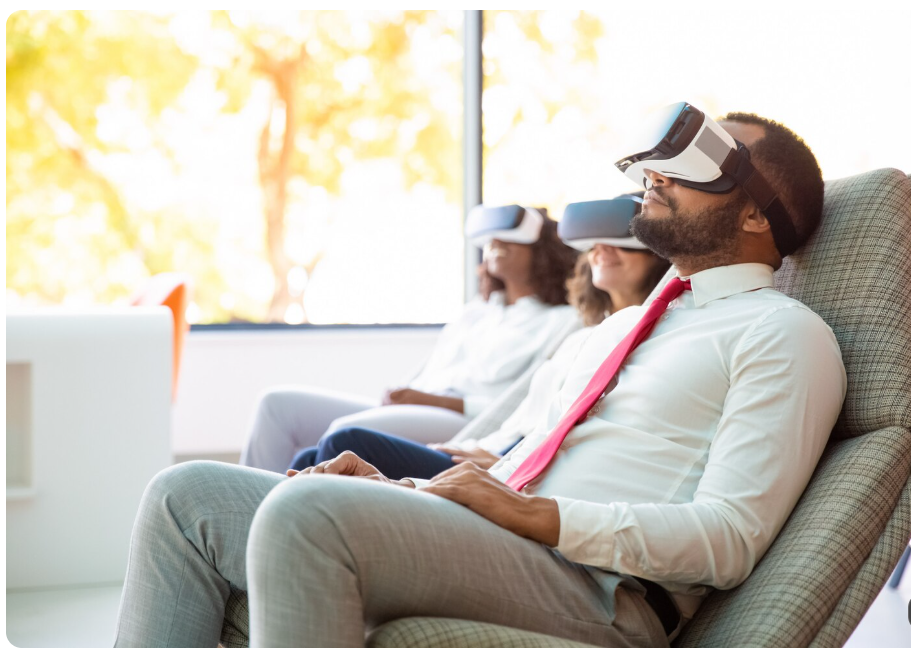
Technology is continuously changing how people interact with the digital world. From virtual meetings and interactive games to advanced medical training and industrial simulations, modern digital experiences are becoming more immersive. One technology area contributing to this transformation is extended reality, commonly known as XR.
XRLinx is an online platform that presents itself as a resource for exploring extended reality and its applications across industries. Its website highlights augmented reality, virtual reality, mixed reality, gaming, education, healthcare, industrial innovation, and virtual collaboration. The platform describes its goal as making immersive technology more accessible and useful in everyday life.
For readers interested in emerging technology, XRLinx provides a starting point for understanding how digital environments can connect with physical experiences. However, it is important to distinguish between the platform’s published descriptions and independently verified products or services. Visitors should evaluate specific claims carefully before making business or purchasing decisions.
This guide explains what XRLinx is, what extended reality means, how AR, VR, and MR differ, and why these technologies are attracting attention across multiple sectors.
What Is XRLinx?
XRLinx is a website focused on the general concept of extended reality and its potential applications. Its homepage introduces XR solutions related to industry, gaming, training, healthcare, and education.
The platform’s stated mission is to combine AR, VR, and MR technologies to create immersive experiences. It also highlights collaboration tools and digital environments that could help individuals and organizations interact in new ways.
The website presents several areas of interest:
- Global extended reality solutions.
- Interactive and next-generation gaming.
- Industrial simulations and workflows.
- Immersive education and learning.
- Healthcare training and patient-care applications.
- Virtual collaboration for teams.
These topics represent important areas of XR development. Nevertheless, readers should understand that a website describing a technology does not automatically demonstrate that it offers a fully developed commercial solution.
Understanding the Purpose of XRLinx
The broader purpose of an XR-focused platform is to help people understand how immersive technologies may improve digital experiences. Businesses, students, developers, and technology enthusiasts can explore the subject and learn about possible applications.
For example, a manufacturer may use a virtual environment to demonstrate a machine before purchasing it. A school may explore virtual classrooms, while a healthcare organization may investigate simulated training environments.
XRLinx presents these kinds of possibilities as part of its technology-focused vision.
Understanding Extended Reality (XR)
Extended reality is an umbrella term that includes augmented reality, virtual reality, and mixed reality. These technologies combine physical and digital environments in different ways.
XR can be used through headsets, smartphones, tablets, smart glasses, computers, and specialized equipment.
The main objective is to create experiences that go beyond traditional screens. Instead of simply viewing information, users may be able to interact with digital objects, explore simulated spaces, and communicate inside virtual environments.
1. Augmented Reality (AR)
Augmented reality adds digital information to the physical world. It does not necessarily replace the user’s surroundings. Instead, it places virtual elements over a real-world view.
A smartphone camera can display digital furniture inside a room, show navigation directions, or provide additional information about an object.
Common applications of AR include:
- Virtual furniture placement.
- Interactive product demonstrations.
- Educational diagrams and visual lessons.
- Navigation assistance.
- Maintenance instructions.
- Retail product previews.
AR can make information easier to understand because digital content appears in the context of the user’s surroundings.
2. Virtual Reality (VR)
Virtual reality creates a computer-generated environment that users can explore through a compatible headset. Unlike AR, VR generally replaces the user’s normal visual surroundings with a simulated digital world.
VR is widely associated with gaming, but its potential uses extend much further.
For example, employees can practise procedures in a simulated workplace, students can explore virtual environments, and designers can review digital models before building physical versions.
Common VR applications include:
- Immersive gaming.
- Virtual classrooms.
- Employee training.
- Architectural walkthroughs.
- Product demonstrations.
- Virtual meetings and events.
VR can provide an interactive learning environment without requiring users to visit the physical location being simulated.
3. Mixed Reality (MR)
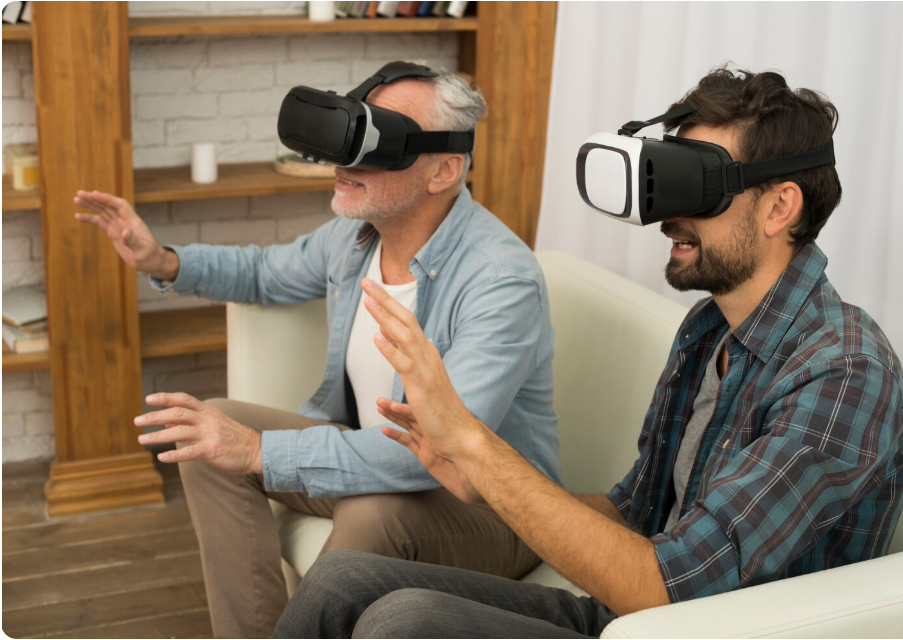
Mixed reality combines physical and digital elements in a more interactive way. Digital objects can appear connected to the real environment, allowing users to interact with them while remaining aware of their surroundings.
For example, an engineer might examine a virtual machine component positioned within a real workshop. A medical student could explore a digital anatomical model while discussing it with an instructor.
MR can be useful when digital information needs to interact with physical objects or locations.
Difference Between AR, VR, and MR
| Technology | Main concept | Example application |
|---|---|---|
| Augmented Reality | Adds digital information to the real world | Viewing virtual furniture in a room |
| Virtual Reality | Creates a fully simulated environment | Exploring a virtual training facility |
| Mixed Reality | Connects digital objects with physical surroundings | Examining a virtual machine in a workshop |
| Extended Reality | Umbrella term covering AR, VR, and MR | Immersive digital experiences |
Key Features Highlighted by XRLinx
The XRLinx homepage presents several features connected with immersive technology. These areas provide an overview of the platform’s stated interests.
1. Global XR Solutions
XRLinx describes global XR solutions involving AR, VR, and MR experiences. The general idea is that immersive technologies can connect people across locations and provide interactive digital experiences.
Remote teams may use virtual environments to review designs, discuss projects, or explore digital models. These applications can be especially useful when employees or partners work in different locations.
However, businesses should request detailed product information, technical specifications, and demonstrations before treating any advertised solution as an available service.
2. Next-Generation Gaming
Gaming is one of the most visible applications of extended reality. VR headsets can place players inside simulated environments, while AR can introduce digital characters and objects into physical surroundings.
XR gaming can offer:
- Interactive environments.
- Immersive storytelling.
- Motion-based controls.
- Virtual multiplayer experiences.
- Three-dimensional exploration.
- More realistic simulations.
The experience depends on the hardware, software, game design, and performance of the equipment being used.
3. Industrial Innovation
Industrial businesses can use XR technology to improve visualization, planning, and training.
For example, a factory may create a digital representation of equipment to help employees understand how a machine operates. Engineers may examine a three-dimensional model before manufacturing a physical component.
Possible industrial applications include:
- Equipment visualization.
- Virtual maintenance training.
- Product design reviews.
- Workplace safety simulations.
- Remote technical assistance.
- Manufacturing process demonstrations.
These applications may reduce the need for certain physical prototypes or repeated demonstrations, depending on the project.
4. Smarter Learning
Traditional education often depends on textbooks, lectures, presentations, and classroom demonstrations. XR can add another learning method by allowing students to interact with digital environments.
A science student could explore a simulated ecosystem, while a history student might visit a recreated historical location through VR.
Potential benefits include better visualization, interactive practice, and opportunities to explore subjects that may be difficult to demonstrate in a classroom.
5. Healthcare XR
Healthcare is another area where immersive technologies are being explored. Medical students and professionals may use simulations to practise procedures, understand anatomy, and learn about complex medical environments.
Potential applications include:
- Medical education.
- Surgical skills simulations.
- Anatomy visualization.
- Patient education.
- Rehabilitation support.
- Healthcare staff training.
These applications require appropriate clinical oversight, reliable technology, privacy protections, and professional validation. XR should not be treated as a replacement for qualified medical care.
6. Collaboration Tools
Virtual collaboration can allow people to meet inside shared digital environments. Instead of viewing only a video conference screen, participants may interact with virtual objects, diagrams, and three-dimensional models.
This could be useful for remote design reviews, product demonstrations, team training, and educational activities.
The effectiveness of these tools depends on accessibility, internet connectivity, device compatibility, and the quality of the software.
How XR Technology Is Used Across Different Industries
Extended reality is not limited to one profession. Its applications can vary according to the needs of an organization.
| Industry | Possible XR application | Potential benefit |
|---|---|---|
| Education | Virtual lessons and interactive models | Improved visualization |
| Healthcare | Medical simulations and anatomy learning | Practical learning opportunities |
| Manufacturing | Digital equipment models | Better design and training |
| Gaming | Immersive virtual environments | Interactive entertainment |
| Retail | Virtual product previews | More informed shopping |
| Architecture | Virtual building walkthroughs | Easier design reviews |
| Real estate | Virtual property tours | Remote property exploration |
| Business | Shared virtual workspaces | Remote collaboration |
These examples describe broader XR use cases rather than confirming that XRLinx provides each service commercially.
Why Extended Reality Is Becoming Important
The growing interest in XR comes from the need for more interactive digital experiences. Traditional websites, videos, and presentations are useful, but they cannot always provide the same level of spatial interaction as immersive environments.
Better Visualization
Three-dimensional models can make complicated subjects easier to understand. Engineers can examine product designs, students can explore scientific concepts, and customers can preview certain products in realistic settings.
Interactive Learning
XR can allow learners to practise tasks instead of only reading instructions. This may be useful for subjects that require spatial understanding or repeated practice.
Remote Collaboration
Organizations with distributed teams can use shared digital spaces to discuss designs and projects. This may help participants understand complex visual information without travelling to the same location.
Training Simulations
Some workplace activities involve expensive equipment, hazardous environments, or procedures that require careful preparation. A well-designed simulation can provide a controlled environment for practice.
Customer Experiences
Retailers and service providers may use AR or VR to help customers understand products before making decisions. Virtual previews can make certain shopping experiences more interactive.
Who May Find XRLinx Useful?
The topics presented by XRLinx may interest several groups of readers.
Technology Enthusiasts
People who follow new technology trends can use XR-related resources to become familiar with AR, VR, and MR concepts.
Students and Educators
Students studying technology, design, gaming, or digital media may find introductory information about immersive technology useful. Educators can also explore how XR could support interactive lessons.
Business Owners
Business owners may investigate XR as a possible tool for product demonstrations, staff training, customer engagement, and remote collaboration.
Developers and Designers
Software developers, 3D artists, and designers may be interested in the technical possibilities of building interactive environments and digital models.
Gamers
People interested in immersive gaming can explore how VR and AR are changing entertainment experiences.
Benefits of Exploring XR Technology
Learning about extended reality can help individuals and businesses understand emerging digital opportunities.
Some important potential benefits include:
- Improved visualization: Three-dimensional environments can make complex ideas easier to understand.
- Interactive experiences: Users can engage with digital objects instead of simply viewing them.
- Flexible learning: Simulated environments may support remote and self-paced training.
- Remote cooperation: Teams can work together in shared digital spaces.
- Product demonstrations: Customers may explore virtual versions of certain products.
- Simulation opportunities: Organizations can practise selected activities in controlled environments.
- Creative possibilities: Designers and developers can experiment with new forms of digital storytelling.
The actual benefits depend on the quality of the technology, the user’s requirements, and how well the solution is implemented.
Limitations and Challenges of Extended Reality
Although XR has considerable potential, it also comes with challenges. Understanding these limitations is important before investing in equipment or services.
Hardware Costs
Some XR experiences require specialized headsets, sensors, controllers, or powerful computers. These devices may be expensive for individuals and smaller organizations.
Technical Requirements
High-quality immersive experiences can require suitable processing power, reliable connectivity, and compatible software. Older devices may not support every feature.
User Comfort
Some users experience discomfort, eye strain, motion sickness, or fatigue during extended headset use. Experiences should be designed with comfort and accessibility in mind.
Privacy and Security
XR devices may collect information about user movements, surroundings, voice interactions, or account activity. Organizations should understand what data is collected and how it is protected.
Development Complexity
Creating a realistic and useful XR environment may require specialized skills in software development, 3D modelling, interface design, and testing.
Accessibility
Not every person can comfortably use a headset or interact with motion-based controls. Good XR design should consider alternative ways to access information.
How to Evaluate an XR Platform Like XRLinx
Before relying on an online platform for technology research or business services, visitors should examine its transparency and available evidence.
A website may describe advanced technology, but users need more information to determine whether its claims are supported by real products, demonstrations, or documented projects.
Consider these points:
- Check the official website: Review its main pages, service descriptions, and published information.
- Look for demonstrations: A genuine technology provider should be able to explain or demonstrate the products it offers.
- Review company information: Look for clear ownership, professional profiles, and verifiable contact details.
- Examine technical specifications: Understand which devices, operating systems, and software are supported.
- Ask about pricing: Request written details about fees, subscriptions, and implementation costs.
- Read privacy policies: Understand how personal and business information is handled.
- Look for independent feedback: Search for credible reviews, case studies, and customer experiences.
- Avoid unsupported promises: Be cautious about claims that cannot be demonstrated or independently checked.
What to Check Before Using XRLinx
| Evaluation area | What visitors should examine |
|---|---|
| Company transparency | Clear information about the organization |
| Technology demonstrations | Working examples of advertised solutions |
| Service availability | Specific details about available products |
| Privacy policy | Data collection and protection practices |
| Contact information | Consistent and verifiable communication details |
| Customer feedback | Independent reviews and documented experiences |
| Pricing | Clear fees and service conditions |
Is XRLinx an Official XR Technology Provider?
XRLinx’s website describes its interest in AR, VR, MR, and immersive solutions. Its public company profile also describes XR collaboration, visualization, and marketing.
However, the presence of these descriptions does not independently establish the availability, performance, or commercial status of particular products. Visitors should confirm the details directly before entering into a business agreement.
It is useful to distinguish between three things:
- A website that publishes information about XR.
- A company that develops XR software or hardware.
- A service provider that delivers implemented XR projects to customers.
These categories can overlap, but they are not automatically the same. A reader should look for demonstrations, documented projects, technical information, and clear service terms.
XRLinx Website Content and Navigation
The XRLinx homepage includes sections for Industry, Gaming, Training, Healthcare, and Education. These categories reflect the main areas in which the platform discusses extended reality.
The homepage also features a contact form and an introductory section explaining its stated mission. A blog area publishes articles on various topics, including technology and general-interest subjects.
Visitors can explore the available categories to understand the site’s content. They should also check whether an article is directly related to XR, whether it identifies reliable sources, and whether its information is sufficiently detailed for the intended purpose.
Important Website Transparency Considerations
The homepage displays statistics for projects delivered, industries transformed, active users, and XR solutions, but the visible figures appear as zero values. This means visitors should not treat those statistics as proof of an established project portfolio.
The same homepage also contains unrelated promotional links in its footer. These details do not, by themselves, prove that a website is unsafe, but they make it sensible to review the site’s content, ownership information, and overall professionalism carefully.
A cautious approach is especially important before sharing personal details, making payments, or requesting business services.
XRLinx and the Future of Digital Experiences
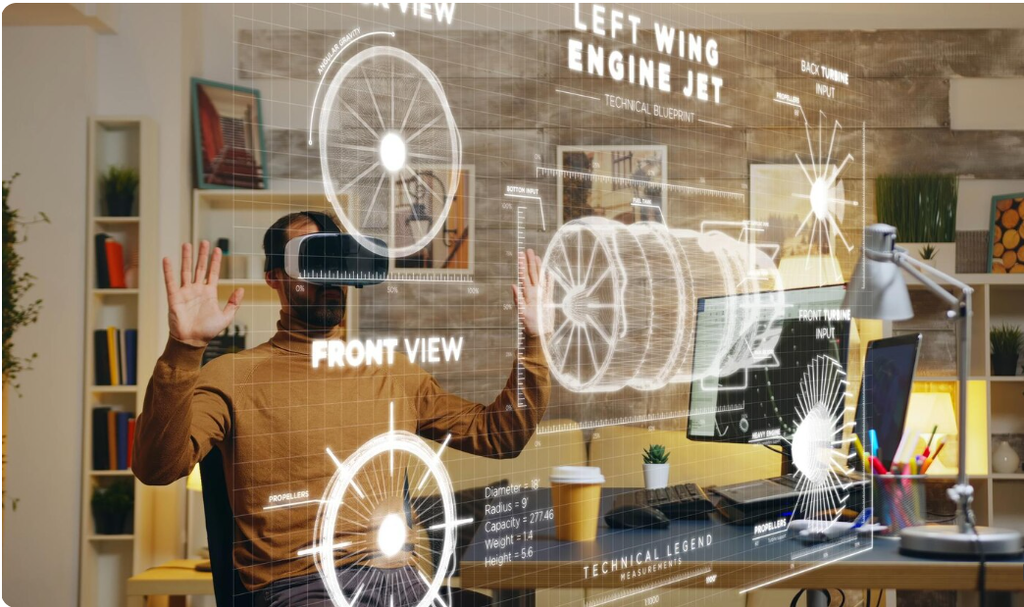
Extended reality may become more common as hardware, software, and network technologies improve. The future of XR will likely involve more accessible devices, improved visual quality, easier controls, and better integration with existing business systems.
More Practical AR Experiences
AR may become increasingly useful in shopping, navigation, education, and equipment maintenance. Better smart glasses and mobile applications could make digital information easier to access in everyday environments.
Improved Virtual Collaboration
Virtual workspaces may offer more realistic ways to review products, discuss designs, and train employees. Better avatars, spatial audio, and shared 3D objects could make remote collaboration more interactive.
Growth in Immersive Education
Educational institutions may explore simulations for subjects that are difficult to demonstrate through traditional teaching methods. The success of these tools will depend on affordability, teaching quality, and accessibility.
Greater Industrial Integration
Manufacturers and engineering organizations may use digital models and simulations to support planning, maintenance, and training. These systems could become more connected with existing business software.
More Personalized Experiences
Future XR systems may adapt content to individual users, learning goals, or work requirements. Responsible personalization will require strong privacy protections and clear user controls.
Tips for Beginners Exploring Extended Reality
If you are new to XR, you do not need to purchase expensive equipment immediately. Start by understanding the different technologies and identifying the experiences that interest you.
- Learn the differences between AR, VR, and MR.
- Explore compatible smartphone-based AR experiences.
- Watch demonstrations of VR applications.
- Compare the technical requirements of different devices.
- Read about XR applications in your preferred industry.
- Check comfort and accessibility before buying a headset.
- Understand privacy permissions and data collection.
- Try free educational demonstrations where available.
- Compare products from established manufacturers.
- Avoid paying for services without verifying the provider.
A gradual approach helps beginners understand the technology before committing money or time to a particular platform.
Final Thoughts on XRLinx
XRLinx presents itself as a platform focused on extended reality and the possibilities of combining virtual and physical experiences. Its website highlights applications in gaming, education, healthcare, training, industry, and collaboration.
The broader XR field offers interesting opportunities for learning, visualization, entertainment, and business operations. AR can add digital information to real surroundings, VR can create immersive environments, and MR can connect digital objects with physical spaces.
For readers exploring XRLinx, the best approach is to use its published information as an introduction while independently checking any specific claims about products, services, or business capabilities. Review company details, technical demonstrations, privacy practices, and customer evidence before making important decisions.
As immersive technology continues to develop, understanding XR will become increasingly valuable for students, professionals, businesses, and technology enthusiasts.
Frequently Asked Questions (FAQs)
1. What is XRLinx?
XRLinx is an online platform that presents information about extended reality and its potential applications. Its website highlights augmented reality, virtual reality, mixed reality, gaming, healthcare, education, training, and industrial innovation.
2. What does XR mean in technology?
XR stands for extended reality. It is an umbrella term covering augmented reality, virtual reality, and mixed reality. These technologies create different ways to combine digital content with real-world or simulated environments.
3. What is the difference between AR and VR?
Augmented reality adds digital elements to a view of the physical world, while virtual reality generally places users inside a fully computer-generated environment. Both technologies can support entertainment, learning, training, and other applications.
4. Can extended reality be used in healthcare and education?
Yes. XR can support medical simulations, anatomy visualization, virtual lessons, interactive demonstrations, and certain training activities. These applications should be appropriately designed and professionally supervised.
5. Is XRLinx suitable for business research?
XRLinx may serve as an introductory resource for exploring XR-related topics. However, businesses should independently verify specific services, technical capabilities, company information, customer evidence, and pricing before making purchasing or partnership decisions.