
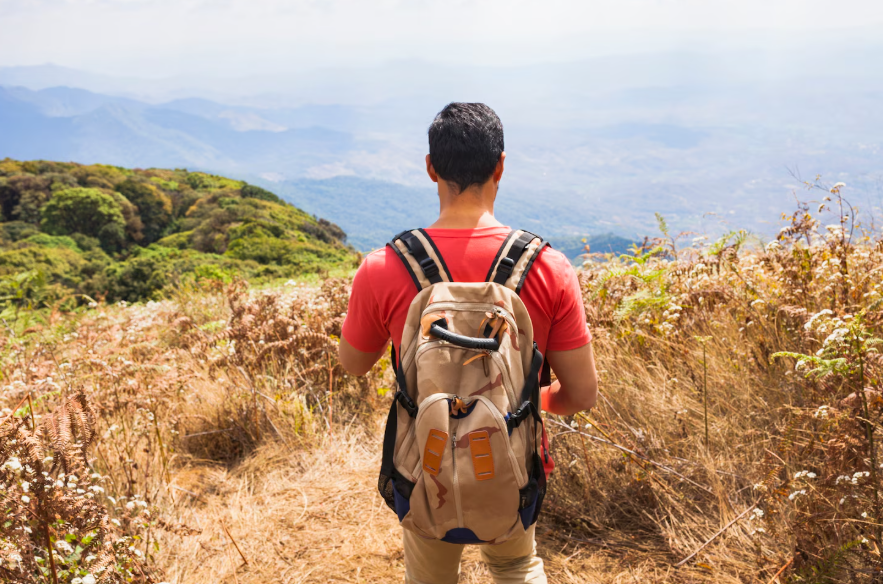
Backpacking is more than just a way to travel—it’s a lifestyle. It represents freedom, exploration, and immersive experiences that go beyond typical tourist trips. With just a backpack, a sense of adventure, and a flexible mindset, backpackers explore cities, mountains, beaches, and cultures in a unique, personal way. From budget-friendly options to life-changing journeys, backpacking allows travelers to connect with the world on a deeper level.
The Appeal of Backpacking
Backpacking is popular because it combines adventure, flexibility, and affordability. Unlike traditional travel, backpacking encourages spontaneity. You can follow your curiosity, change your plans on the fly, and explore lesser-known destinations that mainstream tourists often miss. It’s an approach that values experiences over luxury, culture over comfort, and connection over convenience.
Planning Your Backpacking Trip
While backpacking embraces spontaneity, preparation is still important. Research potential destinations, visa requirements, weather conditions, and safety guidelines. Decide on a rough route, key experiences, and budget, but leave room for flexibility. Packing light and smart is essential—bring versatile clothing, durable footwear, a first-aid kit, and essential electronics. The goal is mobility and ease of travel.
Budget-Friendly Travel
One of the defining features of backpacking is its affordability. Backpackers often rely on hostels, budget hotels, or homestays, which provide both cost savings and opportunities to meet fellow travelers. Street food, local markets, and public transportation help keep expenses low while offering authentic experiences. Backpacking proves that you don’t need a large budget to explore the world meaningfully.
Immersive Cultural Experiences
Backpacking is a gateway to authentic cultural experiences. By staying in local accommodations, using public transport, and interacting with residents, travelers gain insights into daily life that typical tourists might miss. Participating in local festivals, learning regional crafts, or exploring hidden neighborhoods fosters a deeper understanding of the places you visit.
Flexibility and Spontaneity
One of backpacking’s greatest advantages is freedom. You aren’t tied to fixed itineraries or rigid schedules. If a destination captivates you, you can extend your stay. If an unexpected opportunity arises, you can alter your plans. This flexibility makes backpacking uniquely adventurous and allows for richer, more personal travel experiences.
Meeting Fellow Travelers
Backpacking often leads to meaningful connections with fellow travelers. Hostels, guesthouses, and community tours create opportunities for shared experiences and lasting friendships. Traveling with like-minded adventurers fosters camaraderie, exchange of tips, and even group adventures. Many backpackers cherish these connections as much as the destinations themselves.
Personal Growth and Independence
Backpacking challenges you physically, mentally, and emotionally. Navigating new cities, adapting to different cultures, and managing limited resources builds confidence, problem-solving skills, and resilience. The experience of traveling independently fosters self-reliance, open-mindedness, and personal growth that can extend far beyond the journey.
Adventure and Nature
Backpacking is perfect for those who crave outdoor adventure. Hiking, camping, surfing, or exploring remote landscapes allows travelers to connect with nature intimately. National parks, mountain ranges, and coastal trails often become highlights of backpacking trips, offering both thrill and tranquility in equal measure.
Safety Tips for Backpackers
While backpacking is rewarding, it also requires vigilance. Keep valuables secure, research safe neighborhoods, and stay aware of local customs and laws. Travel insurance is highly recommended to cover emergencies. Trust your instincts, and always prioritize personal safety while embracing the adventure.
Sustainable Backpacking
Modern backpackers increasingly focus on sustainable travel. Respecting local communities, minimizing environmental impact, supporting local businesses, and leaving no trace ensures that backpacking contributes positively to the places visited. Sustainable practices allow future travelers to enjoy the same authentic experiences.
Conclusion
Backpacking is a journey of freedom, discovery, and self-exploration. It allows travelers to see the world in a unique, immersive way while embracing flexibility, adventure, and authentic experiences. From budget-friendly travel to cultural immersion, outdoor adventures to lifelong friendships, backpacking transforms ordinary trips into extraordinary journeys.
Whether it’s navigating bustling cities, trekking through mountains, or relaxing on remote beaches, backpacking offers a sense of adventure and independence that no other travel style can match. For those who crave authenticity, spontaneity, and personal growth, backpacking is not just a way to travel—it’s a way of life.